
When Every Stem Counts: Putting the Woodsman Pro 566 Through Its Paces
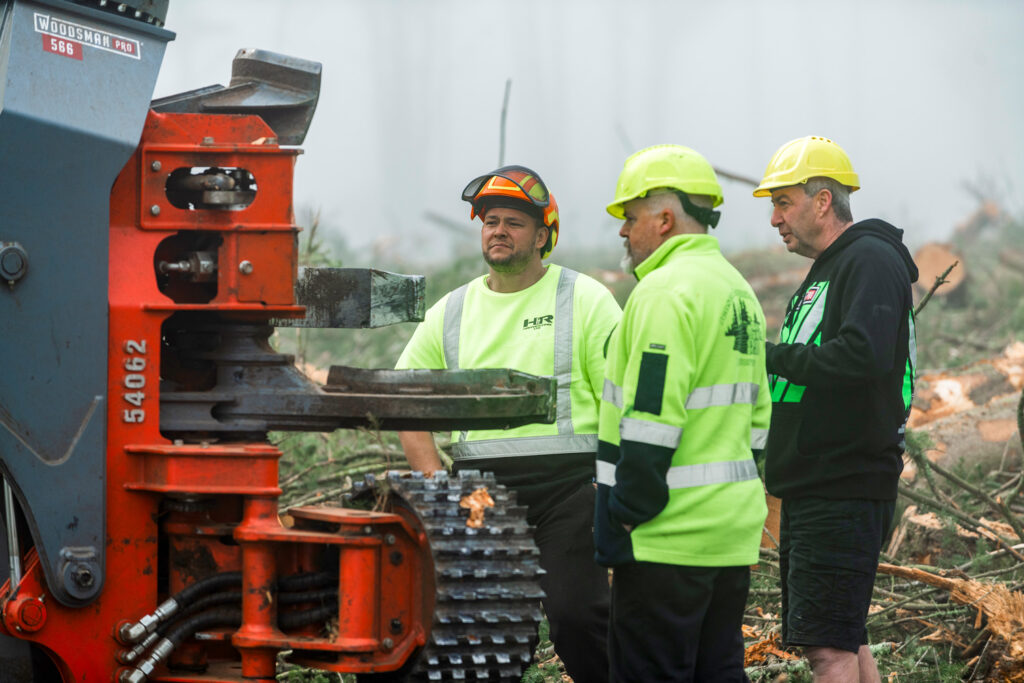
Harvesting smaller stems can be relentless.
For Johnson Hubbard, the challenge isn’t difficult terrain. It’s the sheer repetition of the work.
Every day he must make thousands of precise movements while maintaining production targets. By the end of a shift, the physical and mental fatigue is real.
“It’s just a numbers game, really. It’s pretty simple logging. It’s just a matter of trying to cut as much as we can. In big wood you might be after 400 tonnes a day and only need around 200 stems to get there. In smaller wood, you’ve got to process around 450 stems to achieve the same result.”
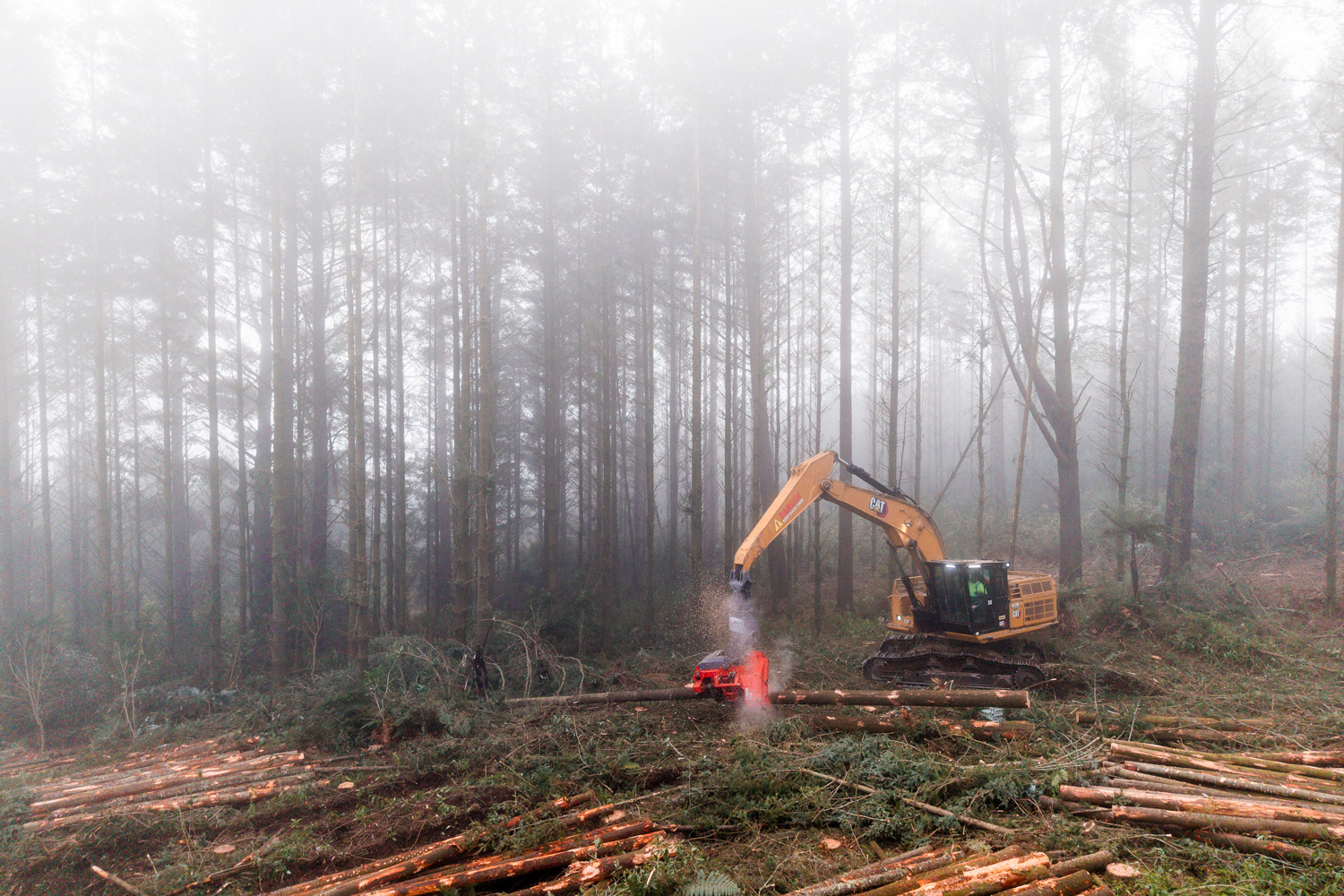
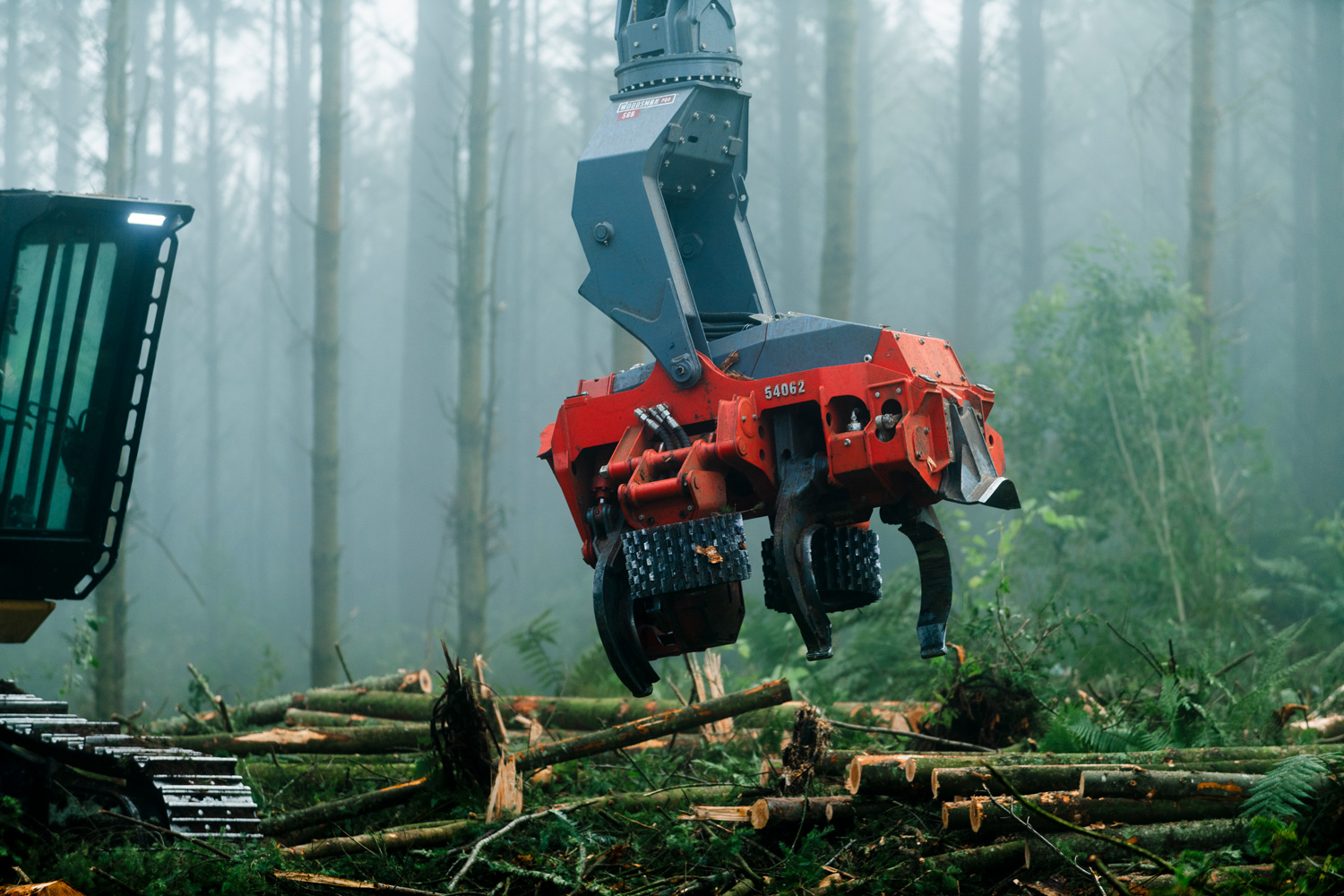
That fast pace is exactly why his family’s company, H&R Harvesting, became the first contractor to put the new Woodsman Pro 566 harvesting head into production in June 2026. During one shift, Johnson processed 500 stems, demonstrating the impressive speed and productivity the 566 can deliver when harvesting smaller wood.
Designed specifically for this type of work, the purpose-built 566 has not only helped improve productivity but has also made a physically and mentally demanding job easier on the operator.
A Family Business
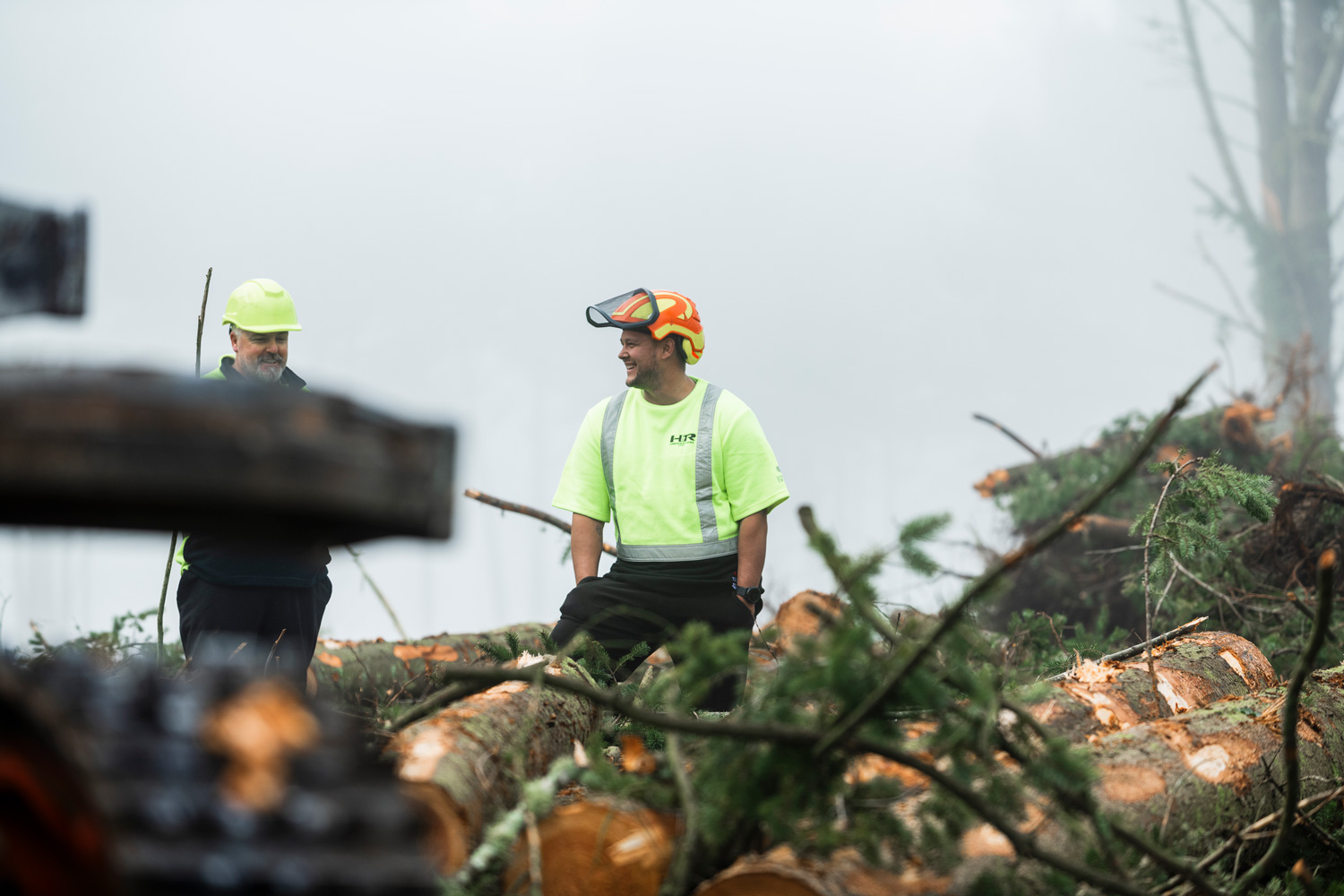
Forestry has been part of Johnson’s life for as long as he can remember.
His parents founded H&R Harvesting in the early 2000s. Today, the Rotorua-based business operates three harvesting crews, all contracted to OTPP NZ Forest Investments Ltd. Johnson manages one crew, his younger brother another. His sister and sister-in-law both work in the office, while his brother-in-law is also part of the wider operation.
“Every school holidays I would be out in the bush. By age 16 I was on the chainsaw. I used to play around on the machines during smoko breaks and when they were parked up.”
Although he briefly considered studying business management, he decided to join the company full-time instead, knowing forestry was where his future lay. Since then, he has worked his way through virtually every role in the operation before becoming a crew foreman.
Built for Smaller Wood
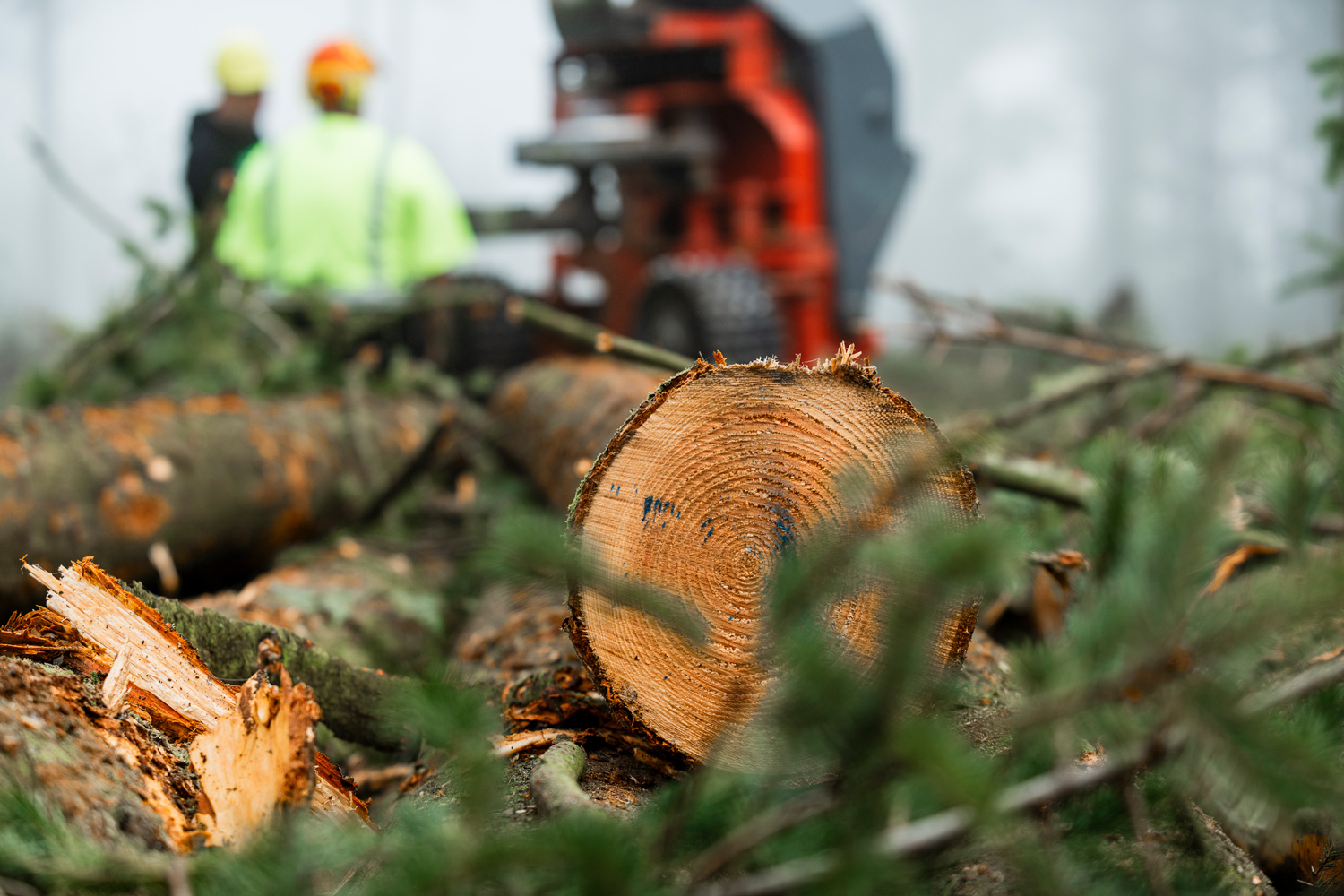
H&R Harvesting’s current contract involves younger Douglas fir, where the average tree is considerably smaller than traditional radiata pine.
That changes everything.
“You’re relying on speed, and that’s where the 566 really comes into its own. It’s faster. If you have a breakdown, it’s much harder to make up that lost productivity. You need something that’s going to be reliable, consistent every day, and fast, so you can just keep the stems moving through the head.”
Knowing they had four years of Douglas fir harvesting ahead of them, H&R Harvesting began talking with long-time supplier Ensign about a harvesting head designed specifically for smaller timber.
“I think we’ve owned about eight Woodsman Pro attachments, probably more. We are always talking to the guys there. They told us they had a small head coming into production. We told them we were going into that kind of wood, so they modified the 560 into the 566. We bought the first one.”
Making a Tough Job Easier
Johnson immediately found the 566 wasn’t simply quicker than previous harvesting heads — it felt different to operate.
“My first thoughts of using it was that it was well built. It was quite robust. There’s nothing hanging out that can get hit easily. It was fast. It had to be set up right because it was almost too fast for its own good.”
Once the machine had been fine-tuned, its responsiveness quickly stood out.
“The speed of the drive rollers is probably what surprised me the most. It keeps you on your toes. You’ve got to keep up with it.”
Mounted on a larger base machine, the compact harvesting head receives the same hydraulic flow as much larger harvesting heads, giving it exceptional responsiveness.
“It makes everything fast and light and really nimble. It’s much easier to grab a small tree compared to using a larger head. It’s definitely better than I expected.
“It’s also very reactive. You press a button and it does it. You’re not waiting for the head or the machine to do what you want it to do. It does what you want, when you want.”
The benefits aren’t limited to productivity. Johnson says the 566 reduces the physical and mental fatigue that comes from repeating the same movements hundreds of times every day.
“You’re not yanking on levers all day, so I’m not putting pressure on my hands or wrists. And because you’re not lugging such a big harvesting head around, it helps you mentally too. You’re not chasing yourself all day.
“It just gives you confidence that you can be consistent day in, day out in terms of trying to meet your production target.”
The 566 is also helping recover more value from every tree.
“With the head being so small, you can process right the way down practically to the end of the tree. So you get left with a lot less slash in the cutover,” Johnson says.
Built Around the Customer
Like any contractor, H&R Harvesting measures equipment on reliability as much as performance. They know from past experience that they can trust Woodman Pro.
“It goes back to ‘time is money’. If you’re having a breakdown, you’ve got to pay for the breakdown. Then you’re also having to pay for overtime to make up for that breakdown. So if you’ve got something reliable, at least you don’t have to worry about that.”
Johnson says the straightforward maintenance, local support, easy access to spare parts, and a willingness to listen to customer feedback have all strengthened H&R Harvesting’s long-standing relationship with Ensign.
“A big part of what we like about them is that if we have any issues, they’re open-minded. They actually come back to you and ask, ‘Is there anything that you would want to improve on it or change?’ If you’ve got an idea, you can give that to them and have some confidence it will actually go somewhere.
For a contractor who has spent his entire working life in the bush, that supplier relationship is just as valuable as the machine itself.
“Forestry definitely has its hard days, don’t get me wrong. But it’s enjoyable. I like being outdoors and tackling the challenges. And the change of scenery. You’re shifting blocks every three months so you’re not just stuck in one spot.”
Johnson believes advances in harvesting technology will continue to improve the industry.
“The equipment these days is definitely making things a lot easier and a lot safer. If you’re dealing with stems 55 centimeters or below consistently, you’re better off to go with a smaller head because it makes things so much faster.”